Free Worldwide Shipping.
Choosing Victorian-Inspired Clothing for Gothic and Period Cosplay
Choose Victorian-inspired clothing for gothic and period cosplay by comparing silhouette, colour, layers, movement and reusable styling options.

Victorian-inspired clothing can support both gothic and period cosplay, but the two directions ask different things from the same garment. Gothic styling often depends on mood, contrast and dramatic detail. Period-inspired styling usually depends more heavily on silhouette, layering and consistency between pieces.
You do not need to label a modern garment as historically accurate to use it successfully. A clear concept, a coherent outline and carefully selected removable details can make a modern base feel intentional.
Define the version of the character first
Before shopping, describe the character in one sentence without using a product name. For example: a travelling figure in practical layered clothing, a romantic ghost in a pale flowing gown, or a dark formal character with a controlled silhouette. This prevents attractive details from pulling the outfit in unrelated directions.
Collect a small reference set and identify what repeats. Look for hem length, sleeve volume, neckline, waist position, colour and surface texture. Those repeated elements should guide the base garment. Accessories can handle smaller narrative details later.
Understand inspired versus historically accurate
Victorian-inspired clothing borrows visual cues associated with past dress, but a modern product may combine details from different periods or use contemporary construction. That can be completely suitable for cosplay. It simply should not be presented as an authenticated reproduction unless the product information substantiates that claim.
If strict historical interpretation is required, you will need period-specific research beyond a retailer’s style description. For creative period cosplay, focus on whether all parts of the outfit feel as though they belong to the same visual world.
Choosing a base for gothic cosplay
Gothic styling does not require every element to be black. Pale nightgowns can create strong contrast with dark outer layers, boots, jewellery or makeup. Burgundy, ivory, faded floral tones and muted neutrals can also support a darker story without flattening the outfit into one colour.
Look for one or two features that carry the design, such as a high neckline, full sleeve, long hem, lace panel or gathered yoke. Too many competing trims can make it harder to add character-specific accessories. A simpler garment often gives you more control.
Choosing a base for period-inspired cosplay
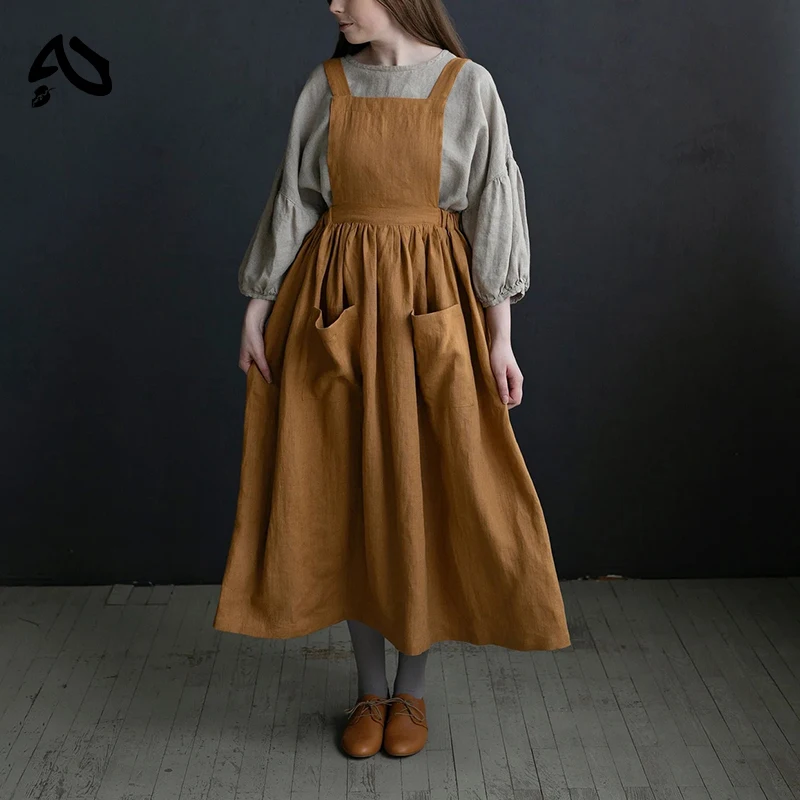
For a period-influenced look, begin with proportion. The relationship between shoulder, waist and skirt volume will be read before small decorative details. A loose dress may need a belt, apron or underskirt to establish the intended outline. A pinafore can create a practical layered shape over a blouse or long-sleeved dress.
Browse Victorian-inspired dresses with the full outfit in mind. Check whether the neckline will remain visible beneath outer layers and whether the skirt has enough room for the movement or modest volume you plan to add.
Nightgowns as story-led costumes
A long nightgown can communicate vulnerability, sleep, domestic space, haunting or transition between public and private dress. That makes it useful for narrative cosplay even when the character is not literally shown in sleepwear. The styling around it determines whether the result reads as romantic, eerie, rustic or theatrical.
The Victorian nightgowns and sleepwear collection includes several silhouettes that can be compared by sleeve, neckline, colour and length. Treat the product gallery as a construction reference and verify measurements before ordering.
Build a controlled colour palette
Choose one dominant colour, one supporting neutral and one restrained accent. Repeating the accent in two places, such as a ribbon and jewellery, can connect the outfit without making every element match exactly. Fabric texture also affects colour: lace, smooth cloth and embroidery reflect light differently in photographs.
For pale looks
White and ivory garments benefit from tonal layering so details remain visible. A slightly darker shawl, belt or apron can reveal the silhouette. Test the outfit against the backgrounds likely at your event because a pale costume can disappear against a bright wall or stage.
For dark looks
Use differences in texture to prevent a dark outfit from becoming visually flat. Matte cloth, lace, polished accessories and a contrasting collar can create separation. Keep the focal point near the face unless the character concept deliberately emphasizes another feature.
Fit for movement, photographs and layers
Take body measurements and compare them with the specific product information. Allow for underlayers, but avoid sizing assumptions based only on familiar labels. Raise your arms, sit and walk in the planned combination before the event. Check that a long hem clears the footwear and that sleeves do not catch on props.
Photograph the outfit from the front, side and back. Mirrors can hide issues that become obvious in a photograph, such as an uneven outer layer, a visible modern fastening or an accessory that interrupts the intended line.
Common styling mistakes
- Choosing trim before establishing the silhouette.
- Combining several unrelated historic references without a clear visual reason.
- Assuming a style word in a product title guarantees period accuracy.
- Adding heavy accessories to delicate lace or lightweight fabric.
- Ignoring venue temperature, walking distance and seating.
- Permanently altering a reusable garment before testing removable options.
Create a small reusable costume wardrobe
A flexible wardrobe might contain one pale flowing base, one structured or layered dress, a dark outer layer and a limited set of accessories. Changing the apron, collar, belt, shawl, jewellery and footwear can create substantially different characters while keeping the central garments in use.
Start with a clear character sentence, choose the silhouette that communicates it, and add only details that support that decision. The result can feel considered without pretending that a modern inspired garment is an exact historical reproduction.